
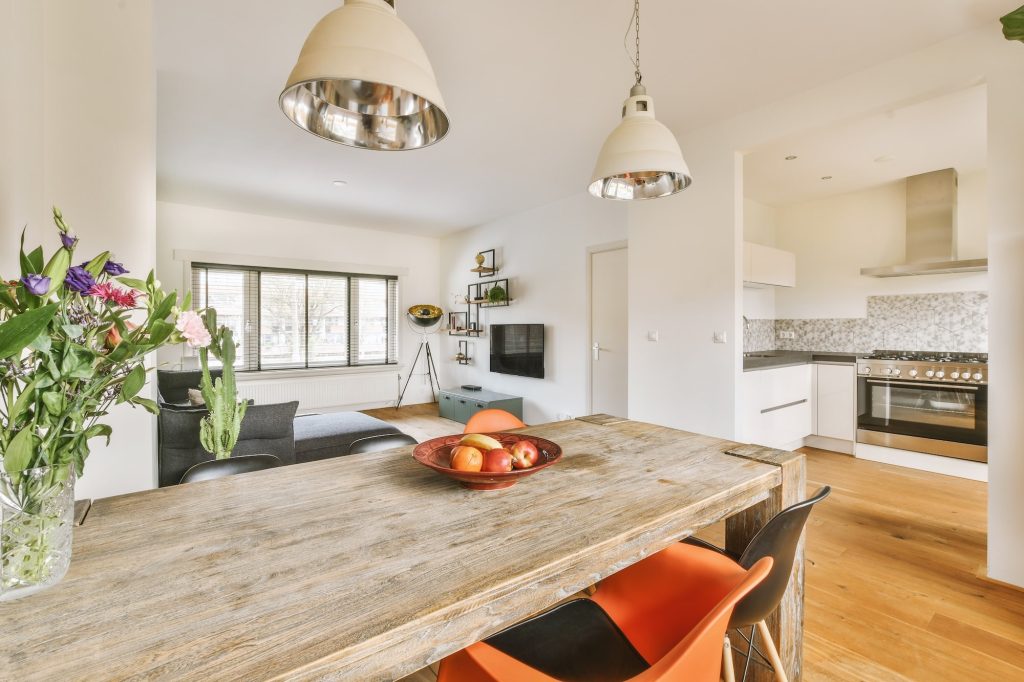
A full gut renovation is a project that takes your existing home all the way down to the studs. Homeowners often choose a full gut remodel when they love their existing property, but their home is no longer meeting their needs.
Whether this is to re-organize the layout to increase reusable space, make necessary changes and upgrades, or just meet your needs in a new phase of life, a full gut renovation can help you make the most of your existing home. However, it’s not a quick turnaround. A full gut renovation isn’t starting from scratch, but it is a big project.
In this article, we’ll cover:
- The phases of a gut renovation
- How long a full gut renovation takes
- What factors impact the timeline of a full gut renovation
- A sample schedule for a full gut renovation in Boston
What Are the Phases of a Whole Home Renovation?
A full gut renovation takes your property down to its structural elements first. Then, it will be built back up with professional care, exactly to your specifications. Here is every phase you can expect:
Planning
Before your project gets started, you’ll need to plan ahead. This includes budgeting, hiring an architect and contractor, surveying and engineering if needed, and getting your project organized. The planning process once you decide to build can take weeks or months depending on the scale of your project and your requirements.
Design
After you’ve hired an architect, your full gut renovation will start to take shape on paper. In this phase, drawings will be created and revised before being approved. This phase often also includes selections for your home, and materials will be ordered in advance so they are ready when the time comes.
Bidding
Your contractor will need to hire teams for specialized aspects of your home build, like electrical systems and plumbing. Though most contractors will have strong networks of preferred subcontractors, every project will still require bids to ensure you have full visibility into your budget.
Approvals & Permitting
Before work can fully begin, permits and city approvals need to be in place. To apply for permits, you’ll need a design. Your contractor will know how to handle the permitting process, so you won’t have to worry about local regulations, codes, or approvals.
Demolition
Technically the first step of the construction process, demolition is required to remove everything — from decorative trim to drywall — from your home before we can build it back up to your exact specifications.
Construction
This is where your home comes back to life! After taking it all the way down to the framing and structural components, your home will be rebuilt from the inside out.
Inspection & Walkthrough
Before you move in, you’ll inspect and walk through your home with your builder to ensure there are no issues.
This whole process is a lot of work, which is why a full gut renovation isn’t a short project.
How Long Does a Whole Home Remodel Take?
A full gut renovation, starting from just the structural elements and remodeling your entire home, can take anywhere from 6-12 months to complete.
This is quite a large range, and that’s because there’s a variety of factors that can impact how long your remodel takes:
What Affects the Timeline of a Home Remodel?
Size of your home
A larger home will typically take longer to complete, simply because it’s bigger and there’s more work to be done. More flooring planks to install, more drywall to hang, and more corners to miters.
Complexity of the scope
However, a particularly complex scope can also make your timeline longer, even if you have a smaller space. For example, a small kitchen that includes a butler’s pantry, detailed woodwork, and custom built-in shelving will likely take longer than a large kitchen with a simple design.
Materials and finishes
While we plan ahead and order as many materials as possible with the overall schedule in mind, logistics delays can still happen. In addition, if you have chosen particularly in-demand or hard-to-find finishes, you may have to be willing to wait for them to be installed.
Structural Issues
While every project will plan for contingencies, sometimes issues crop up that add time to the project. When demolition happens, sometimes crews uncover problems that must be remediated before the next steps can begin, like rotting subfloors, asbestos, or mold.
Approval delays
Your contractor may know everything needed to make permitting a breeze, but that doesn’t mean the permitting office is running on schedule. Delays can happen due to administrative error, understaffing, or other reasons beyond your contractor’s control. If your home is located in a historic district of Boston, your project might require additional approvals.
Design changes
While you may have necessary design changes once work has begun, they will likely add time to your project. Planning ahead before construction begins can mitigate the amount of changes you’ll want to make when your home is already in progress.
Weather
Lastly, this one is out of everyone’s control. While much of a full gut renovation takes place inside your home, severe weather like extremely heavy snow can still create unsafe working conditions.
Sample Schedule for a Whole Home Remodel in Boston
In Boston, the average size of a new single-family home is about 2,400 square feet. Here’s a sample schedule for a full gut renovation of a house that size:
Weeks 1–6
- Hire architect, general contractor, and possibly interior designer
- Full site inspection: asbestos, lead paint, soil if doing exterior work
- Survey and existing condition drawings
- Design development and budget finalization
- Start permitting process (Building + Historical if applicable)
Note: In cities like Brookline, Cambridge, or Newton, building permit review alone can take 4–6 weeks or longer.
Weeks 7–10
- Site prep: fencing, dumpster, erosion control
- Utility shutoff coordination (can take 1–2 weeks in cities like Cambridge or Quincy)
- Interior gut to studs
- Hazardous material removal (asbestos, lead) by licensed professionals
- Dumping logistics: weigh station or city contracts (differs by town)
Weeks 11–14
- Structural framing as needed, new partition walls
- Window and exterior door replacement
- Framing inspections (city scheduling varies)
Weeks 15–19
- Rough plumbing, HVAC ductwork, and electrical installation
- Smart home wiring (if applicable)
- City rough inspections (each trade often needs separate sign-off)
- Fireblocking and draft-stopping
Weeks 20–23
- Blown-in cellulose or spray foam insulation
- Insulation inspection
- Drywall install, tape, mud, sand (expect 3 passes + drying time)
- Primer coat on walls & ceilings
Weeks 24–28
- Flooring (site-finished wood, engineered, tile)
- Cabinets, built-ins, vanities installed
- Interior doors and trim
- Begin tiling bathrooms/kitchen
Weeks 29–33
- Stone countertops, backsplashes
- Light fixtures, plumbing fixtures
- Final paint
- Appliance installation
- Hardware install (knobs, pulls, shower doors)
Weeks 34–36
- Final MEP inspections
- Certificate of Occupancy or Final Sign-Off (varies by city)
- Punch list resolution (touch-ups, small fixes)
- Deep cleaning and walkthrough
In many of the areas we operate, older and historical homes are common. For instance, in Cambridge, many homes will need approval from the Historical Commission, which takes additional time on top of regular permitting. In Somerville, homes are more likely to have lead or asbestos which will require additional resources during your renovation. Other areas, like Newton, are known for extremely strict inspections.
Our local expertise helps us navigate any condition during your renovation to ensure success.
Ready to Remodel Your Boston Home?
If you are ready to revitalize your Boston home, choose Beantown Builders.
We help homeowners in the Greater Boston area transform their homes and bring their visions to life. Learn more about our full gut renovation services or get in touch for a free consultation.