
Last Updated: November 4, 2026
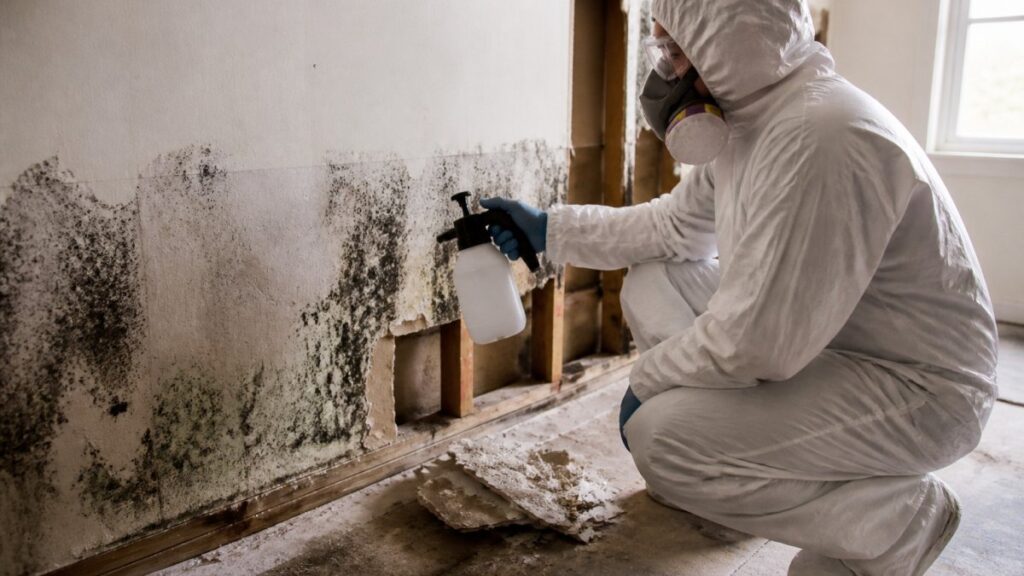
Finding mold after a wall, ceiling, or floor is opened can change a renovation quickly. The right response is not to cover the area and keep building, but it is also not to assume that every discovery requires the same remediation process.
If mold or moisture damage appears during your renovation, you need to understand how extensive the condition is, what is causing the moisture, which work can continue safely, and what needs to happen before the affected area is rebuilt. The project team’s goal should be to correct the source of the problem, properly handle damaged materials, and prevent the renovation from covering up an issue that could return.
What to Do When Mold Is Found During a Renovation
Your contractor or design-build team can pause work in that area and coordinate protection of adjacent finished spaces and stored materials while the condition is assessed and the next steps are defined.
Start with two questions:
- How much mold or moisture damage is visible, and could more be concealed?
- Where is the moisture coming from?
A musty odor, water staining, or damp material can justify further investigation. The EPA’s homeowner guidance on mold and moisture emphasizes identifying and correcting moisture problems and determining the extent of mold growth before deciding how cleanup should proceed.
Visible mold also does not usually require laboratory testing to prove that cleanup is needed. The EPA explains that routine mold sampling is generally unnecessary when visible growth is present, and there are no federal limits that define a universally safe or unsafe airborne mold concentration.
Find and Correct the Moisture Source
Mold control starts with moisture control. Cleaning an affected surface without correcting the moisture source leaves the conditions for growth in place.
The person responsible for that repair depends on the cause. A plumber may need to repair a supply or drain leak. A roofer may need to address failed flashing or roofing. An HVAC professional may need to investigate condensation or mechanical-system problems. Exterior drainage, foundation water entry, or structural deterioration can require different expertise.
Massachusetts DPH states that there are no state licensing requirements specifically for mold remediation, but the repair may involve plumbing, electrical, structural, roofing, HVAC, or other work that should be performed by an appropriately experienced or licensed professional where required.
Source correction and remediation do not always happen as separate steps. In some cases, portions of walls, ceilings, or floors may need to be opened to locate a hidden leak or determine how far the moisture damage extends. The project team should coordinate this investigation and use what they find to determine the appropriate repairs.
Your contractor or design-build team can help turn those findings into one revised construction plan: what work needs to pause, which trades or specialists need access, what materials must be removed or replaced, and how the discovery changes scope, schedule, and budget. The owner then has a clearer basis for approving material changes before reconstruction proceeds.
Decide Whether the Cleanup Is a Small Job or Professional Remediation
Not every mold discovery requires the same level of containment, equipment, or professional involvement.
Massachusetts DPH recommends calling a professional mold remediator when the affected area is greater than 10 square feet, when occupants are particularly sensitive to mold exposure, or when the growth is associated with HVAC or plumbing problems, flooding, or sewage.
The EPA’s mold-remediation guidance scales cleanup methods, personal protective equipment, and containment to the size of the affected area, the materials involved, and the potential for exposure. For small areas, full containment may not be necessary. Larger or more complex conditions can require more extensive controls.
Moldy drywall, ceiling tile, insulation, carpet, and other absorbent materials may need to be removed when they cannot be cleaned and dried adequately. Hard or semi-porous materials may sometimes be cleaned and retained depending on their condition and the remediation plan.
If you hire a mold-remediation company in Massachusetts, look for documented experience and qualifications. The remediation scope should explain what materials will be removed or cleaned, how the work area will be protected, and how completion will be evaluated.
Mold Containment During Renovation: Protect the Rest of the Project
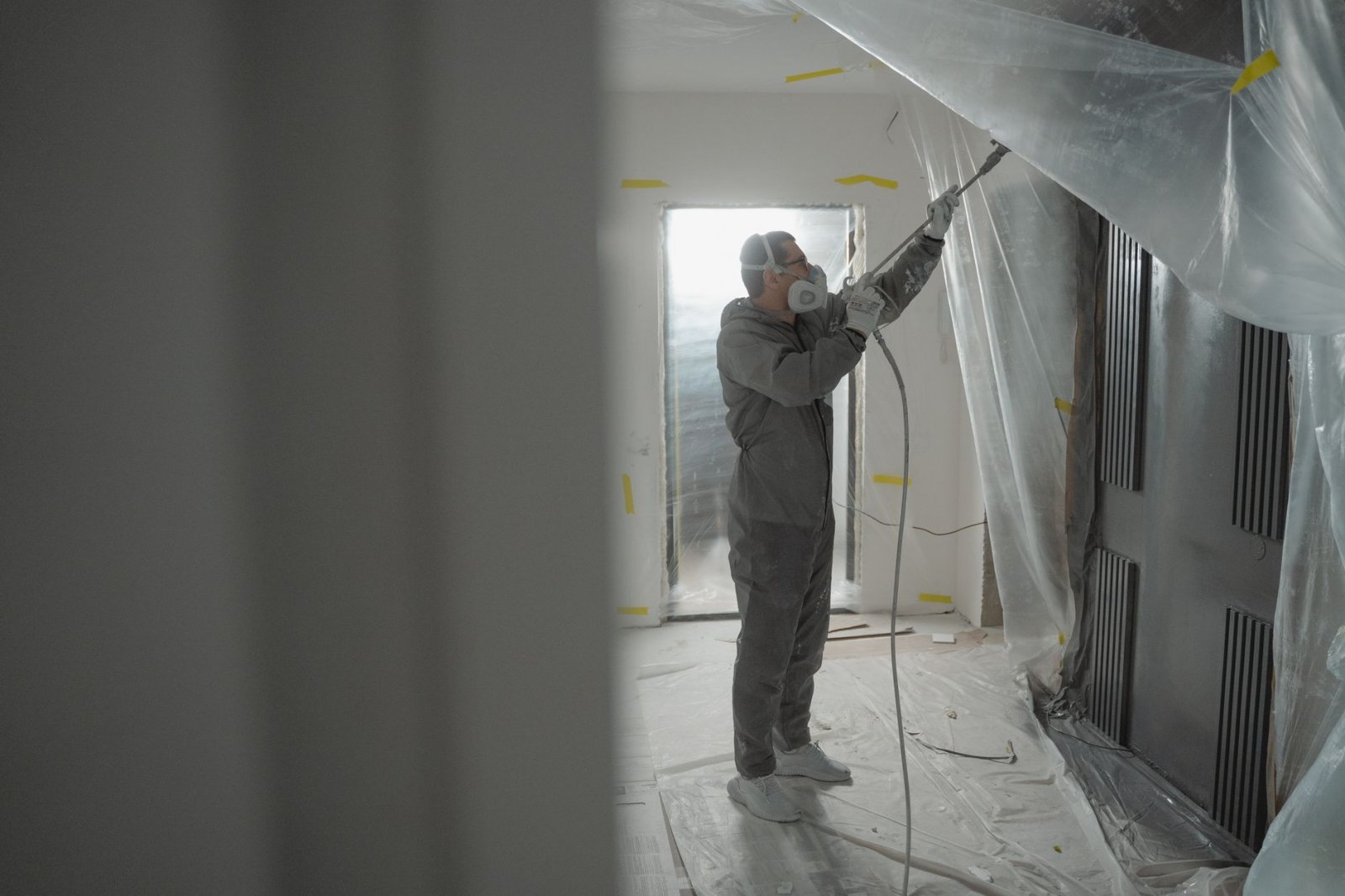
Containment is meant to keep remediation work from spreading mold-contaminated dust or debris into unaffected areas. The appropriate containment depends on the size and nature of the condition.
Your project team and remediation professional should coordinate how adjacent rooms, completed finishes, furniture, and new building materials will be protected. Where the work could affect the HVAC system, the plan should also address supply and return openings so mold-contaminated dust is not distributed through the building.
This coordination matters because a renovation creates its own dust, demolition debris, material deliveries, and worker traffic. The mold-remediation area should remain separate from clean construction areas until the work is complete.
Sequence the Work Correctly
Mold cleanup and moisture-source correction need to happen before the affected area is closed with new insulation, drywall, flooring, cabinetry, or other finishes.
The project team should coordinate the work in the following sequence:
| Stage | What happens | Typical responsibility |
| Discovery | Pause or limit work in the affected area and document what was found | Renovation project team |
| Assessment | Determine visible extent, possible concealed conditions, moisture source, and appropriate cleanup approach | Project team and remediation/environmental professional when needed |
| Source control | Repair the moisture source; coordinate removal of affected materials as needed to access the problem | Appropriate qualified or licensed trade, coordinated with the project team |
| Remediation | Remove or clean affected materials using controls appropriate to the condition | Remediation professional or qualified person for an appropriate cleanup |
| Drying and cleanup | Dry materials that will remain and clean the work area | Remediation/restoration team as applicable |
| Completion review | Confirm the source has been corrected, affected materials have been addressed, retained materials are dry, and any specific verification is complete | Project team; environmental professional if the project calls for one |
| Reconstruction | Resume insulation, drywall, finishes, and other renovation work | Renovation project team |
The important distinction is that remediation demolition and renovation rebuilding are not the same stage. Removing affected material may be necessary to complete remediation; rebuilding should wait until the underlying condition has been addressed.
When Can Renovation Work Resume After Mold Remediation?
There is no universal waiting period. Before the affected area is closed back up, the project team should be able to establish that:
- The moisture source has been repaired or controlled.
- Mold-affected materials identified for removal or cleaning have been addressed.
- Materials that will remain are sufficiently dry for the next construction step.
- The work area has been cleaned and is free of visible mold, mold-damaged debris, and moldy odors.
- Any inspection, documentation, or third-party verification specifically required for the remediation has been completed.
Moisture meters can help monitor drying, but the question is whether the material that will remain is dry enough for the next part of the assembly to be installed. Framing, subflooring, flooring, adhesives, and finish materials can have different moisture considerations, so readings need to be interpreted by the project team in the context of the material and the work that comes next.
Likewise, air or surface sampling is not automatically required after remediation. If sampling is part of a project-specific verification plan, it should be designed and interpreted by someone qualified to do so; there is no general state or federal mold concentration that makes every building “pass” or “fail.”
Older Massachusetts Homes May Have Other Hazards Behind the Wall
Mold may not be the only issue exposed when renovation work opens an older wall, ceiling, or floor.
For pre-1978 housing, disturbing painted surfaces can trigger Massachusetts lead-safe renovation requirements. If remediation requires removing old painted components, the project team should determine whether those rules apply before the material is disturbed.
Asbestos is another consideration. MassDEP generally requires a pre-renovation asbestos inspection of the area to be worked on when suspect material is present, with limited exceptions. The MassDEP asbestos resource guide explains the inspection requirements and common suspect materials.
This is why an unexpected mold discovery in an older Greater Boston property can change demolition methods, trade involvement, schedule, and budget.
Moving the Renovation Forward After Mold Remediation
Once the affected area has been addressed and the conditions for rebuilding are established, the renovation does not necessarily resume exactly where it left off. What was uncovered may change the materials that need to be replaced, the trades involved, the sequence of the remaining work, or the project budget. Those changes should be incorporated into the renovation plan before the affected area is closed back up.
For Beantown Builders, this is where coordination becomes especially important. Our role is to connect the findings from the moisture repair, remediation, and other specialists back to the construction project so the remaining scope reflects the actual conditions of the property. That means understanding what has changed, what still needs to happen, and how the renovation can move forward with those new conditions accounted for.
If mold or water damage has changed the scope of a renovation you are planning in Greater Boston, Book a Free Discovery Call to discuss your project goals, high-level scope and explore whether our approach aligns with the work you need.
Frequently Asked Questions
Can mold be remediated safely during a renovation?
Yes, but the appropriate approach depends on the extent of growth, the source of moisture, the materials affected, occupant sensitivity, and whether contaminated water or HVAC systems are involved. Small, accessible areas may be manageable with limited cleanup controls, while larger or more complex conditions should be handled by experienced professionals. Protect the affected area before demolition or cleanup spreads debris into the rest of the renovation.
Should mold remediation happen before or after renovation work?
The affected area should be remediated before it is rebuilt or closed with new materials. Selective demolition may be part of the remediation itself because damaged material sometimes has to be removed to expose hidden growth or trace the moisture source. Once the source is corrected, affected materials are addressed, retained materials are dry, and any required verification is complete, reconstruction can resume.
Do I need to test mold before having it removed?
Usually not when visible mold is already present. EPA and Massachusetts guidance do not recommend routine sampling simply to confirm visible mold, and there are no federal or Massachusetts standards that establish a universal safe airborne mold level. Testing can be useful in particular situations when the results would change the remediation plan or when a qualified environmental professional recommends it.
Who should handle mold discovered during a renovation?
It depends on the condition. Your renovation contractor can pause work, protect adjacent construction, document what was exposed, and coordinate the project implications. A mold-remediation professional may be appropriate for larger or more complex growth. The moisture source may require a plumber, roofer, HVAC professional, waterproofing contractor, or another qualified trade. Massachusetts does not issue a specific mold-remediation license, so evaluate remediation providers based on relevant experience and qualifications.
How long after mold remediation can rebuilding begin?
There is no fixed waiting period. Rebuilding can proceed when the moisture source has been corrected, the required cleanup or material removal is complete, materials that will remain are sufficiently dry, the area has been cleaned, and any project-specific inspection or verification has been completed. The drying period depends on the materials, amount of water, building conditions, and drying methods used.